Self-service analytics, transformed for the AI era.
Give your customers a self-service analytics experience that meets them where they are today — and grows with them as expectations shift. Dashboards, reports, builders, conversational AI, and agents: all inside your SaaS product, all under your governance.
Qrvey combines embedded analytics infrastructure, multi-tenant security, and AI-native workflows so SaaS teams deliver modern self-service experiences at scale — without rebuilding the foundation underneath.






Dashboards alone are no longer enough.
Today's SaaS users expect analytics experiences that feel interactive, intelligent, and conversational — specific to their business and their role. They don't just want to filter dashboards.
From filtering dashboards to asking real questions.
The bar for what counts as self-service has shifted. Customers now expect to:
- Ask questions in plain language
- Generate visualizations on demand
- Explore insights dynamically
- Personalize analytics to their workflow and role
- Move from question to answer instantly
AI is accelerating those expectations — fast.
AI-powered self-service is more than connecting a chatbot to a database.
Inside a SaaS application, conversational analytics has to inherit everything underneath:
- Multi-tenant security, enforced at the data layer
- Permissions already defined in your product
- Governed datasets and business definitions
- Product context — workflows, terminology, roles
- Scalable query orchestration and compute
Without that foundation, AI feels impressive in a demo — and brittle in production.
AI changes the interface for analytics — but infrastructure still determines whether the experience actually works.
Self-service should mean one thing: customers answer their own questions, inside your product.
Without waiting on your product team. Without exporting CSVs. Without filing a ticket. Most SaaS companies don't deliver that — and it isn't for lack of trying.
Useful, until customers hit the edges.
Curated dashboards earn trust quickly. Then a customer asks a question the dashboard wasn't designed for — and the request ends up on the roadmap, in the support queue, or in someone's inbox.
Self-service that stops where the dashboard ends is just reporting with extra steps.
Flexible, until governance breaks down.
Expose a builder and customers create freely. Then the questions start: which version of the metric is right? Why doesn't this match the dashboard? Who can see what? Definitions drift, multi-tenant security gets brittle, and trust erodes.
Flexibility without guardrails creates the inconsistency self-service was supposed to fix.
Real self-service isn't “more dashboards.” It's a governance model — customers explore freely inside product-defined guardrails.
The challenge isn't the interface. It's everything underneath it.
SaaS companies don't struggle with self-service because they lack analytics capabilities. They struggle because most approaches weren't designed for multi-customer products. In enterprise BI, security lives inside one organization. In SaaS, customers share the same platform and permissions already live in your application. Analytics has to inherit those rules cleanly — and when it doesn't, teams end up maintaining parallel access logic that gets brittle fast.
Conversational analytics requires governed data
Without governed datasets and centralized business logic, AI generates inconsistent answers, metrics become unreliable, and users lose trust quickly.
AI needs context to be useful
Generic AI assistants don't know your tenants, your product, your business definitions, or your workflows. Without structured context, interactions stay shallow and feel bolted on.
Multi-tenant AI adds new complexity
Every AI-driven interaction has to respect multi-tenant security, role-based permissions, data access rules, and customer-specific configurations. Exponentially harder when embedded.
Self-service at scale requires infrastructure
Behind every AI-powered interaction: query orchestration, governed metadata, semantic consistency, scalable compute, embedded UX layers. The work doesn't go away just because AI is in front of it.
Expanding autonomy expands the blast radius
Without guardrails, users get lost, definitions drift, and inconsistency spreads. In multi-tenant SaaS the stakes are higher — small gaps create real exposure across tenants.
AI-powered self-service analytics only works when AI operates inside a governed analytics environment designed for SaaS scale.
We can't speak highly enough of the stellar team at Qrvey. Within months of deploying Qrvey, JobNimbus achieved 70% adoption among large enterprise users.

Self-service that keeps customers coming back, not opening tickets.
Everyday users need fast answers in context. Power users need to create, refine, and share analytics across their organization — so insight scales beyond one person. Your application defines the boundaries: models, permissions, allowed behaviors. Customers move freely without creating risk.
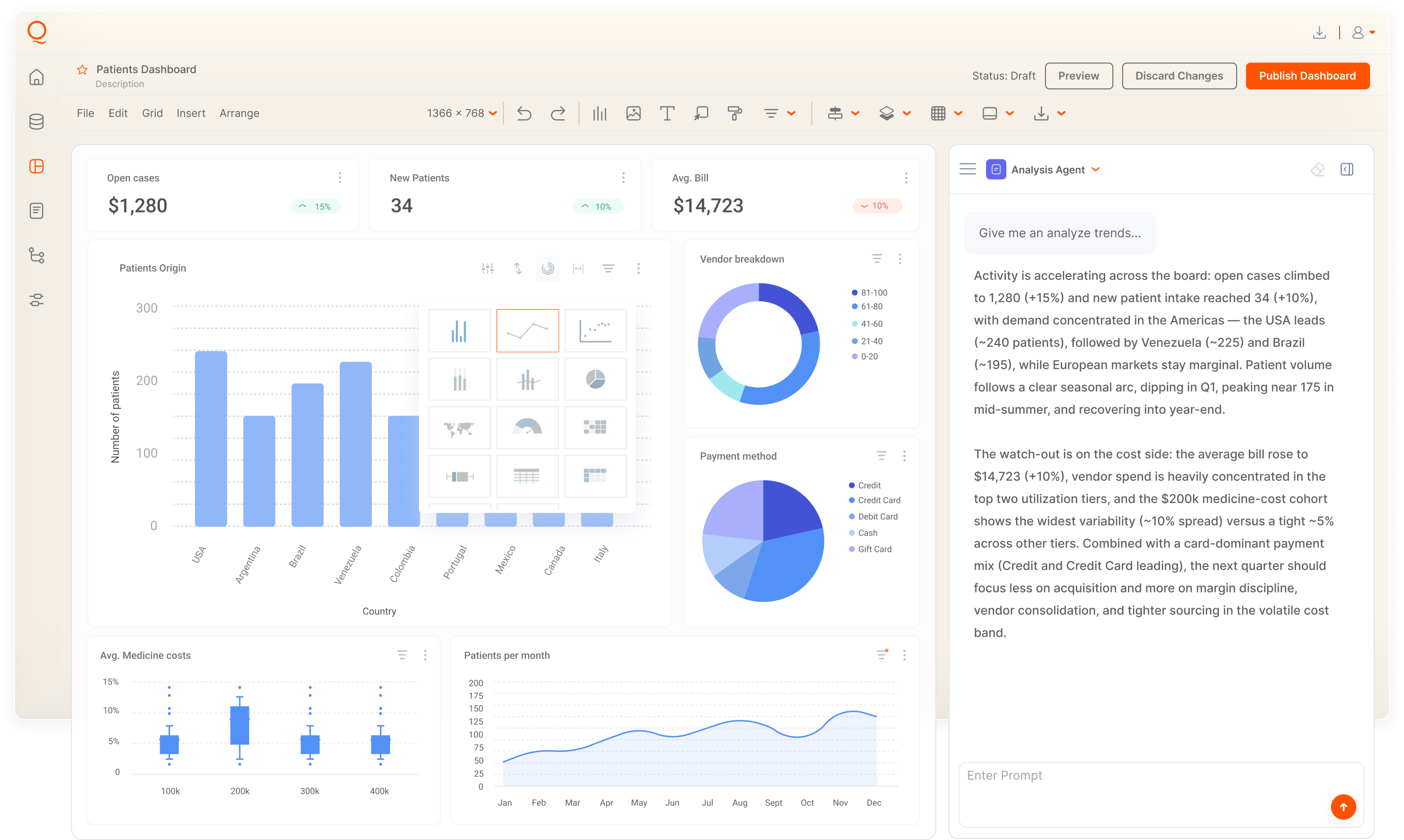
Self-service as a native product capability.
Qrvey makes self-service part of your product, not a separate tool customers visit. Analytics is embedded directly into your application experience, aligned with your data and workflows. Autonomy scales because governance is native — multi-tenant security and permissions are enforced as part of the platform, so customers create and share analytics within product-defined guardrails without breaking security.
Instead of stitching together a BI tool, an AI service, a governance layer, and custom infrastructure, Qrvey brings these together in one platform built specifically for embedded SaaS analytics.
“Qrvey unlocks next-level tenant flexibility and dashboard management, helping us deliver a fully personalized analytics experience for every customer.”

Approachable analytics that drive action for all your personas.
A dashboard builder your power users actually want to use.
Customers create, save, and share dashboards inside your product — within the data scopes and permissions your team defined.
- Drag-and-drop creationA visual canvas for composing dashboards from the datasets, dimensions, and visualization types your team exposed.
- Branded, embedded, nativeThe builder lives inside your product UI, styled to your brand and piped through your auth — same navigation, same mental model as the rest of the application.
- Personal and shared dashboardsCustomers build for themselves and roll out shared views to their team — so insight scales beyond one user.
- Governed by your modelEvery dashboard inherits your multi-tenant security, role-based permissions, and metric definitions automatically. No parallel governance to maintain.
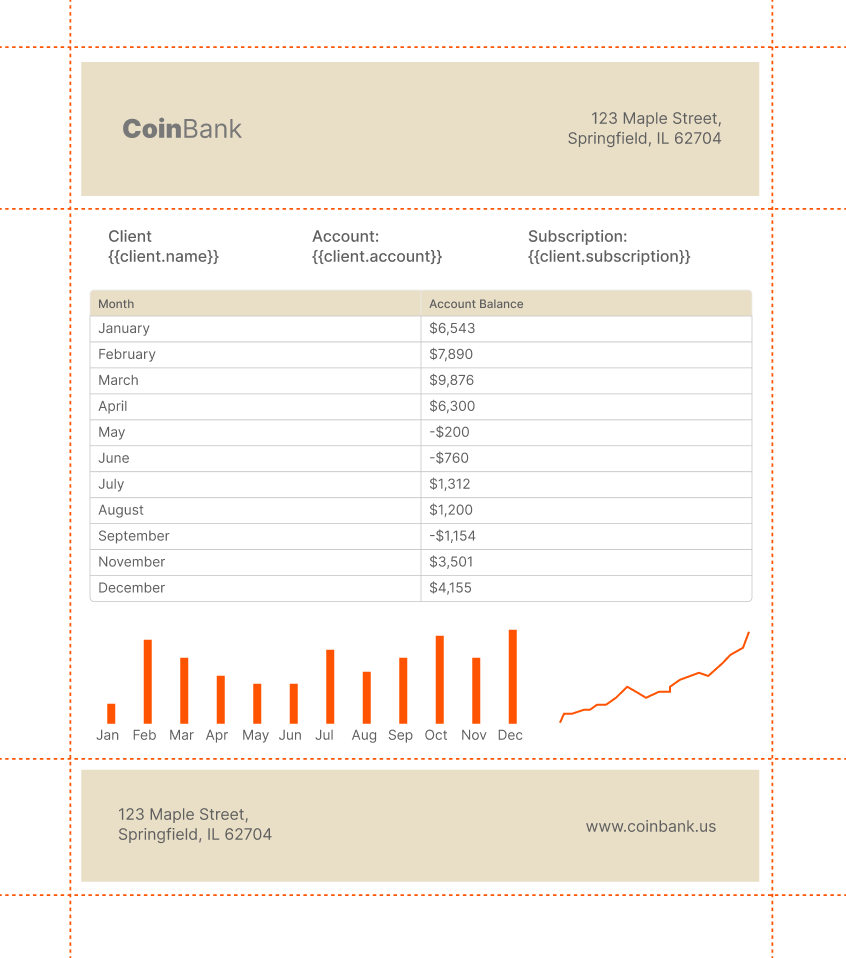
Operational reporting your customers can stake their day on.
Print-quality, schedule-ready reports for the use cases dashboards don't cover — generated, branded, and delivered from inside your product.
- Designed-for-print fidelityHeaders, footers, paging, totals, and formatting that hold up in board packets, invoices, statements, and compliance documents.
- Scheduled distributionReports run on the cadence your customers set, deliver to the recipients they choose, in the formats their stakeholders expect.
- Tenant-aware templatesOne template, customer-specific output — branded and scoped to each tenant automatically.
- Author once, deliver to manyPower users author the report; everyone else just receives it. Self-service authoring meets enterprise-grade delivery.
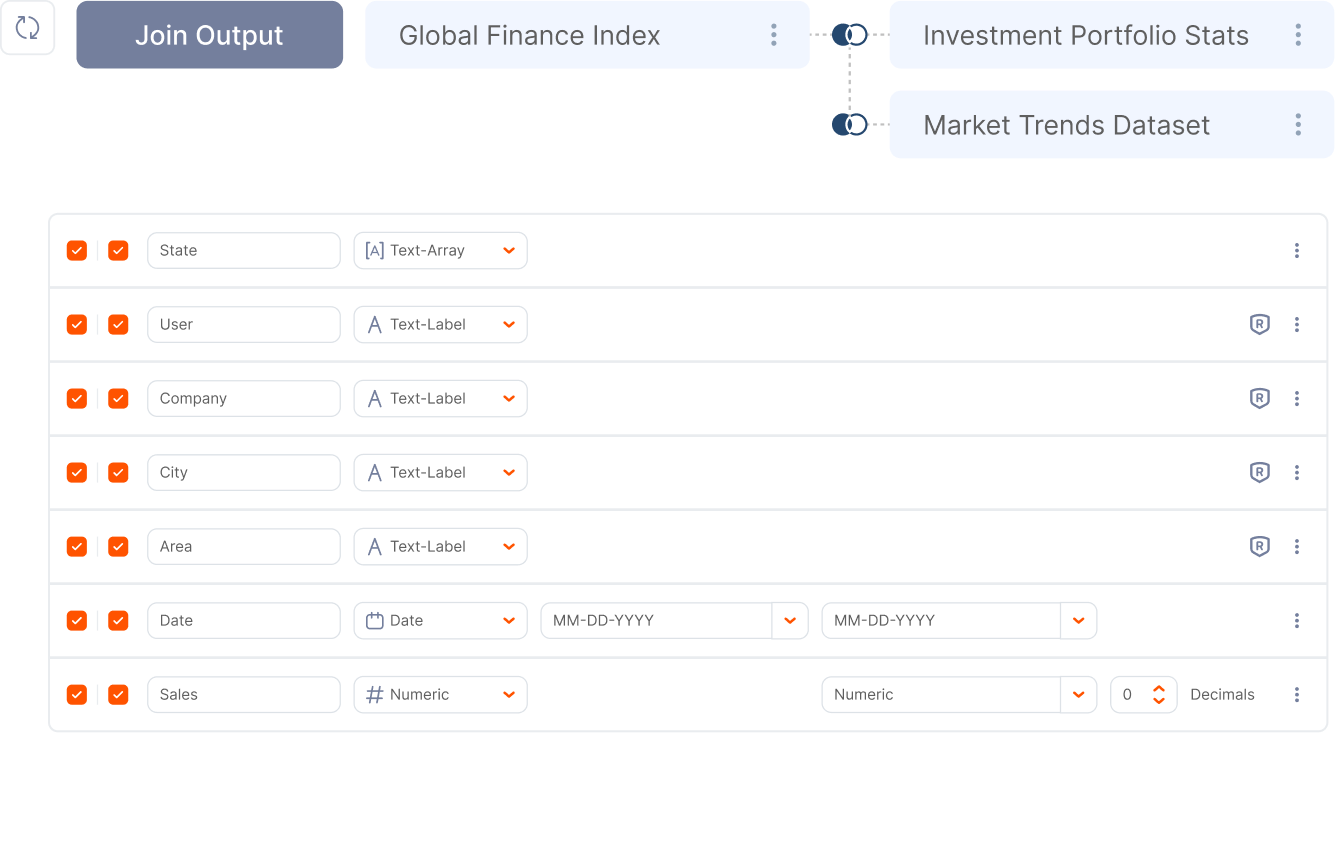
Pass data management capabilities to your power users.
Provide no-code data management functionality to your customers who have the expertise to design their own data experiences and want to move fast.
- Custom fieldsPower users can create new metrics and dimensions without writing SQL or waiting on developers.
- Custom transformationsEnable power users to prepare, reshape, and enrich data to fit their unique business requirements in a no-code environment.
- Semantic layerYour customers can fine-tune their business logic and definitions, so reporting evolves alongside the business.
Conversational analytics, embedded directly into your product.
Sidekick is the AI assistant embedded inside the analytics experience — so users interact with analytics conversationally inside your application, not in an external chat tool.
- Natural-language explorationUsers ask in plain language and get visualizations, summaries, and explanations grounded in their actual data.
- AI-generated visualizationsCharts created from questions, not from a builder — useful for users who never learned to author one themselves.
- Contextual, guidedSidekick knows where the user is in your product and tailors responses to the workflow at hand.
Structured AI capabilities aligned to analytics workflows.
AI capabilities are delivered through agents — specific analytical functions with controlled access to data and actions. SaaS teams expose targeted AI-powered experiences without giving up governance.
- Visualization, analysis, reporting agentsEach agent has a defined scope, a defined output, and a defined set of permitted actions — so AI behavior stays predictable.
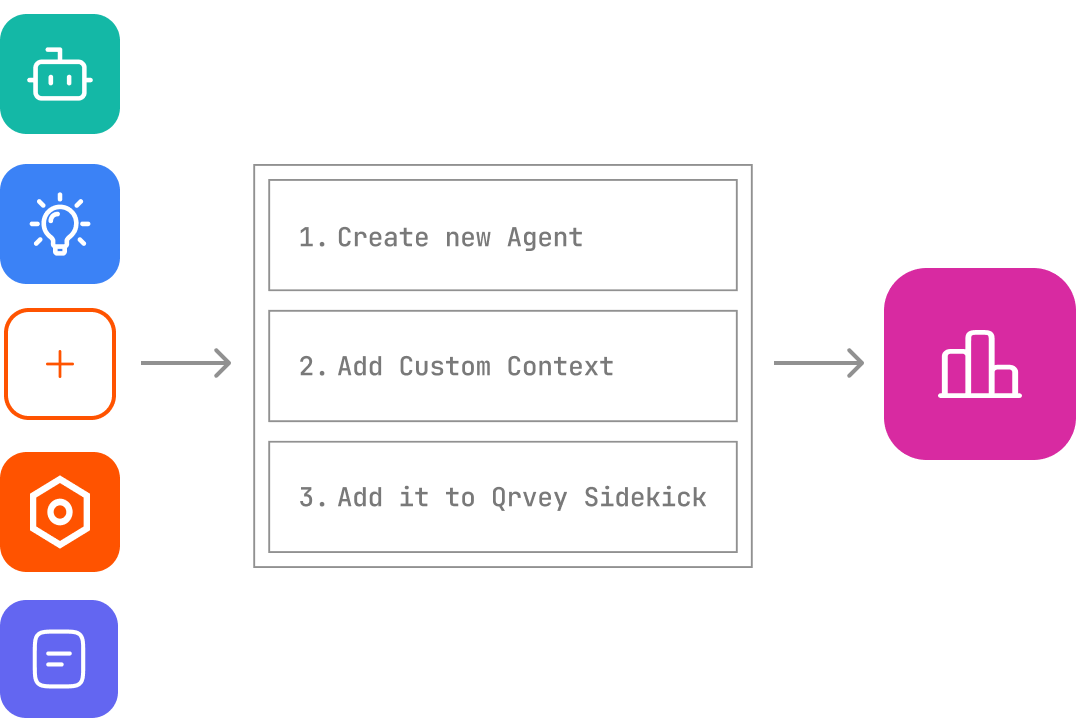
- Workflow-specific assistantsAgents tied to specific tasks inside your product — onboarding, renewal review, performance analysis, and more.
- Governed by defaultAgents inherit your data access rules and tenant boundaries automatically. No separate governance review per agent.
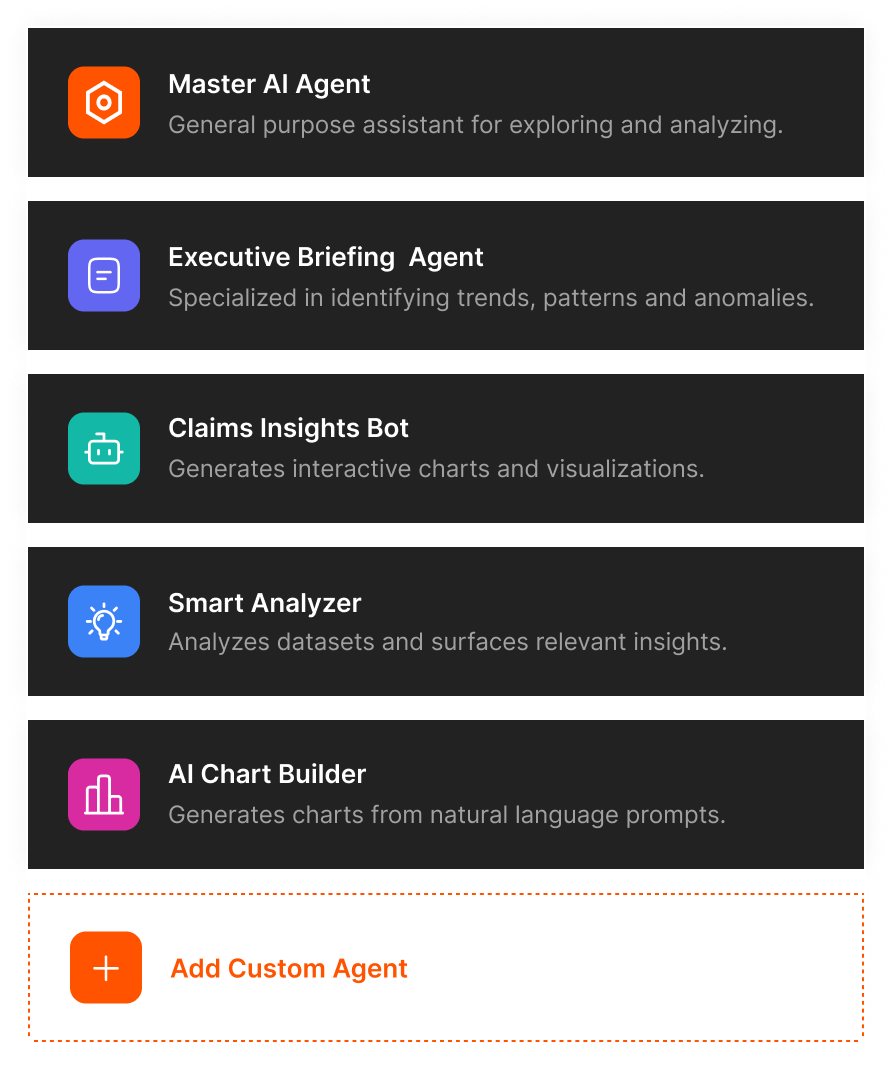
AI tailored to your product and your customer workflows.
Define custom agents aligned to your own terminology, workflows, business logic, and customer use cases — so self-service feels like part of the product, not a generic AI overlay.
- Product-specific behaviorAgents speak your domain — your metrics, your workflows, your customer roles — not a generic assistant trained on someone else's data.
- Customer-specific guidanceDifferent customers get different agents tuned to how they actually use your product.
- Evolves with your productAdd, refine, and retire agents as your product matures — without rebuilding your AI stack each time.
This is the shift from “AI assistant” to AI-native product workflows.
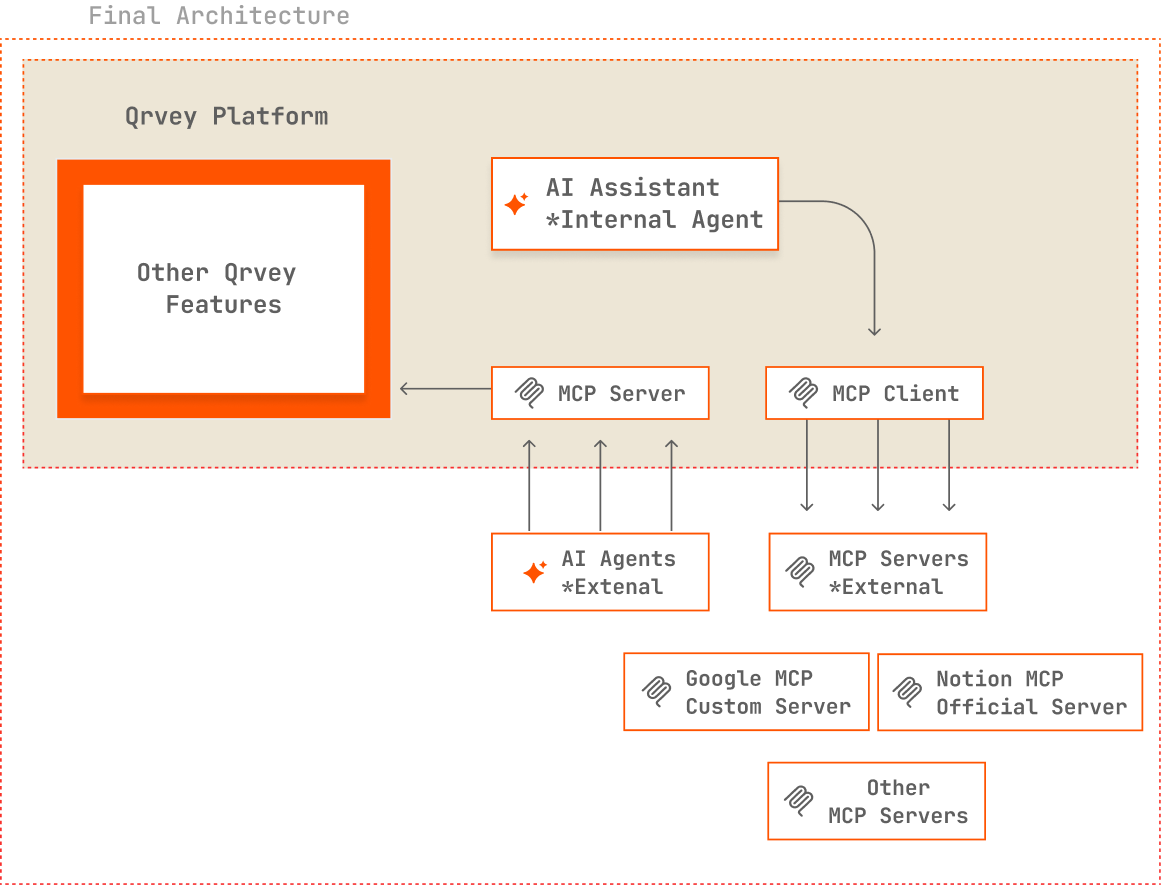
The governed access layer connecting AI to analytics.
The Qrvey MCP Server connects AI directly to datasets, dashboards, metadata, and tenant-aware permissions — so AI operates inside the same governed structures the rest of your analytics already uses.
- Tenant-aware AI accessEvery AI interaction respects multi-tenant security and role-based permissions automatically.
- Aligned business definitionsAI uses the same metric definitions, same business logic, and same semantic layer as your dashboards and reports.
- Centralized analytics contextOne governed access layer feeds every AI experience — no duplicated context, no drift between AI and dashboards.
When self-service works, analytics shifts from reports to real usage.
Everyday users get answers without leaving the workflow. Power users build shared analytics their teams rely on — without routing every request through your organization. For product and engineering, the backlog shrinks. You deliver a foundation, customers extend it safely, and your focus stays on roadmap velocity.
Faster answers, conversational data exploration in plain language, personalized analytics tuned to their role — and less dependency on internal support teams.
Differentiated AI-native experiences, deeper customer engagement and stickiness, faster delivery of analytics innovation — and a self-service story that grows with the customer.
Reduced reporting backlog, less custom analytics development, centralized governance defined once, scalable embedded analytics infrastructure to build on.
Stronger retention, increased expansion opportunities, higher platform adoption, and competitive differentiation in the AI era.
Monetize analytics without building a reporting business from scratch.
Self-service analytics can become one of the most valuable capabilities inside a SaaS product. When customers build dashboards, generate reports, ask questions, explore insights, and automate delivery on their own, analytics becomes more than a feature — it becomes a premium product experience. Qrvey gives SaaS teams the infrastructure to package advanced analytics into higher-value plans, add-ons, or role-based experiences without forcing engineering to build and maintain custom analytics infrastructure.
Package advanced analytics into premium tiers.
Offer deeper self-service — dashboard building, pixel-perfect reporting, AI-assisted exploration, scheduled reports — as part of higher-value product packages.
Create add-on analytics modules.
Turn customer-facing analytics into a standalone expansion opportunity for customers who need more flexibility, customization, reporting, or AI-powered insight generation.
Increase retention before you monetize.
Even when analytics isn't sold as a separate line item, better self-service increases product stickiness, reduces churn risk, and makes the product harder to replace.
Support customer-specific value.
Use tenant-level customization, governed datasets, and custom AI agents to align analytics experiences to different customer workflows, industries, or use cases.
The goal isn't to give customers more reports. It's to create an analytics experience valuable enough to retain, expand, and monetize.
Where AI-powered self-service earns its place in your product.
Conversational analytics inside the product.
Users ask questions naturally and generate insights dynamically — without leaving the workflow they're in. Sidekick joins the analytics experience as a familiar interface, not a separate tool.
AI-assisted report & dashboard creation.
Power users create analytics assets faster using guided AI workflows. Drafts generated in seconds, refined by humans, governed by the rules your team already defined.
Embedded operational intelligence.
Bring contextual insights directly into workflows and business processes — so analytics shows up where the work happens, not in a separate screen customers have to visit.
Customer-specific AI experiences.
Deploy custom agents tailored to different customer roles, workflows, industries, and use cases — so self-service feels native to each customer, not generic.
Both options look workable early. Both break as usage grows.
Most self-service strategies fall into one of two patterns. The cost shows up later — in maintenance, fragility, security gaps, or roadmap drag.
Fast to start. Slow to adopt.
Bringing in a traditional BI tool can feel fast at first — but it often introduces a second security and UX layer that's difficult to align with application rules and tenant requirements. As customers demand more flexibility, the seams show: parallel auth, mismatched permissions, brand drift, and a second product to maintain.
Maximum control. Maximum overhead.
Building it yourself preserves control, but pushes complexity onto product and engineering. The cost shows up in maintenance, fragility, and slower iteration — especially when customers expect creation, sharing, governance, and scale. Every new request becomes a roadmap conversation.
Built differently than traditional BI + AI approaches.
Most BI tools and AI copilots were designed for internal analytics teams inside a single organization. Qrvey is purpose-built for customer-facing analytics inside multi-tenant SaaS products — so conversational AI, governance, embedded UX, and multi-tenant security work together as a unified system.
Qrvey helps SaaS teams deliver modern self-service analytics — where conversational AI, governance, embedded UX, and multi-tenant security work together as a unified system.
Frequently
Asked
Questions
Deliver AI-powered self-service analytics
inside your SaaS product.
See how Qrvey combines embedded analytics infrastructure, conversational AI, and governed multi-tenant architecture to deliver modern self-service experiences your customers actually use.
Talk to an analytics expert, not a BDR